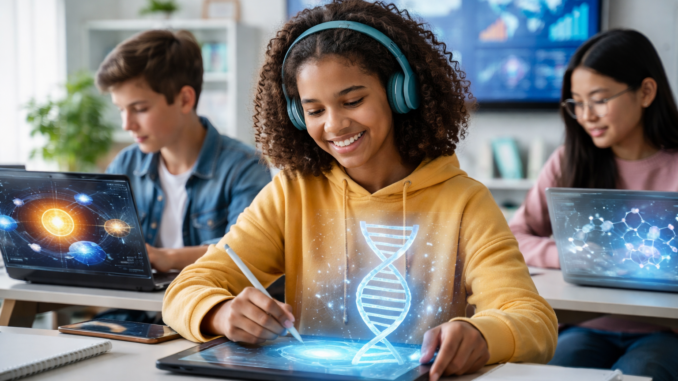
The Future of Education: How Technology Is Transforming the Way Students Learn
Education has always evolved with society. From chalkboards and printed textbooks to digital classrooms and virtual learning environments, the way students learn continues to change. Today, technology is playing a major role in shaping the future of education. Digital tools, online platforms, artificial intelligence, and interactive learning methods are transforming how students access knowledge and develop skills.
The integration of technology in education is not just a trend; it is a fundamental shift in how learning happens. As schools, teachers, and students adapt to new tools, the education system is becoming more flexible, personalized, and accessible than ever before.
The Rise of Digital Learning
One of the biggest transformations in modern education is the rise of digital learning. Instead of relying solely on traditional classrooms, students can now learn through online platforms, mobile applications, and digital resources.
Online learning platforms allow students to access lectures, assignments, and study materials anytime and anywhere. This flexibility helps learners study at their own pace and revisit lessons when needed. For many students, digital learning provides opportunities that were not possible in traditional education systems.
Digital learning also expands access to education for people in remote areas or those who cannot attend physical schools. With internet access and a digital device, students can participate in classes, watch educational videos, and connect with teachers and peers around the world.
Personalized Learning Through Technology
Technology is making it possible to personalize education in ways that were difficult in the past. In traditional classrooms, teachers often have limited time to address the individual learning needs of every student. However, modern educational technology can adapt learning materials based on each student’s progress and abilities.
Adaptive learning platforms analyze student performance and adjust lessons accordingly. If a student struggles with a topic, the system can provide additional explanations, exercises, or interactive activities. On the other hand, students who master concepts quickly can move ahead without waiting for the rest of the class.
Personalized learning helps students stay engaged and improves their understanding of complex subjects. It also builds confidence by allowing learners to progress at their own speed.
The Role of Artificial Intelligence in Education
Artificial intelligence is becoming an important part of the future of education. AI-powered tools can assist teachers, support students, and streamline administrative tasks.
For example, intelligent tutoring systems can guide students through lessons, answer questions, and provide feedback instantly. AI can also help teachers track student performance, identify learning gaps, and create more effective lesson plans.
Another benefit of AI in education is automated grading. Teachers can save time on routine tasks like grading quizzes or assignments, allowing them to focus more on teaching and mentoring students.
As AI technology continues to improve, it may play an even bigger role in creating smart learning environments that support both teachers and learners.
Virtual and Augmented Reality in the Classroom
Virtual reality (VR) and augmented reality (AR) are introducing immersive learning experiences that make education more engaging and interactive.
With VR, students can explore historical sites, travel through the human body, or visit distant planets without leaving the classroom. These immersive experiences help students visualize complex concepts and make learning more memorable.
AR technology adds digital elements to real-world environments. For example, students studying biology might use an AR application to view a 3D model of a cell and examine its structure in detail.
By combining visual, interactive, and experiential learning, VR and AR can help students better understand subjects that are difficult to grasp through textbooks alone.
Collaboration and Global Learning Opportunities
Technology is also transforming how students collaborate and communicate. Digital platforms allow students to work together on projects, share ideas, and participate in discussions regardless of their location.
Video conferencing, collaborative documents, and online forums enable real-time teamwork and communication. Students can collaborate with classmates, teachers, and even experts from different countries.
Global learning opportunities are becoming more common as schools connect with international institutions and organizations. This exposure helps students develop cultural awareness, communication skills, and a broader understanding of global issues.
Collaboration tools also prepare students for modern workplaces, where teamwork and digital communication are essential skills.
The Growth of Mobile Learning
Mobile devices such as smartphones and tablets are becoming powerful learning tools. Mobile learning, often called m-learning, allows students to access educational content on the go.
Students can watch lectures, complete assignments, participate in quizzes, or read study materials directly from their devices. Educational apps make learning interactive and convenient, especially for students who prefer flexible study schedules.
Mobile learning also supports microlearning, a method where lessons are delivered in short, focused segments. These bite-sized learning modules help students absorb information quickly and retain knowledge more effectively.
As mobile technology continues to improve, it will likely play an even larger role in the future of education.
The Changing Role of Teachers
While technology is transforming education, teachers remain essential to the learning process. However, their roles are evolving.
Instead of simply delivering information, teachers are becoming facilitators, mentors, and guides. Technology allows them to focus more on helping students develop critical thinking, creativity, and problem-solving skills.
Teachers can use digital tools to create interactive lessons, monitor student progress, and provide personalized feedback. They also play an important role in helping students navigate digital resources responsibly and effectively.
In the future, successful education systems will combine the strengths of both human educators and advanced technology.
Challenges of Technology in Education
Despite its many benefits, the use of technology in education also presents several challenges.
One major concern is the digital divide. Not all students have access to reliable internet connections or modern devices. This inequality can limit the opportunities available to some learners.
Another challenge is maintaining student focus. With many digital distractions, students may struggle to stay engaged during online learning. Teachers and schools must develop strategies to keep students motivated and responsible in digital environments.
Data privacy and cybersecurity are also important issues. Schools must ensure that student information is protected when using digital platforms and online learning systems.
Addressing these challenges will be crucial to ensuring that technology benefits all students equally.
Preparing Students for the Future
The future job market will require skills that go beyond traditional academic knowledge. Employers increasingly value creativity, digital literacy, adaptability, and problem-solving abilities.
Technology-based education can help students develop these essential skills. Coding, digital design, data analysis, and online collaboration are becoming important components of modern learning.
By integrating technology into education, schools can better prepare students for careers in rapidly evolving industries. Students who are comfortable using technology and adapting to new tools will have a significant advantage in the future workforce.
Conclusion
Technology is reshaping the education landscape in powerful ways. Digital learning platforms, artificial intelligence, virtual reality, and mobile tools are creating more flexible, personalized, and engaging learning experiences for students.
While challenges such as access, digital distractions, and data privacy must be addressed, the benefits of technology in education are undeniable. When used effectively, technology can support teachers, empower students, and expand access to knowledge across the globe.
The future of education will likely combine innovative technology with strong teaching practices. By embracing these advancements, educators can create learning environments that prepare students not only for academic success but also for the demands of an ever-changing world.
As technology continues to evolve, so will the ways students learn, explore ideas, and connect with the world around them. The transformation of education has only just begun, and its potential is both exciting and limitless.